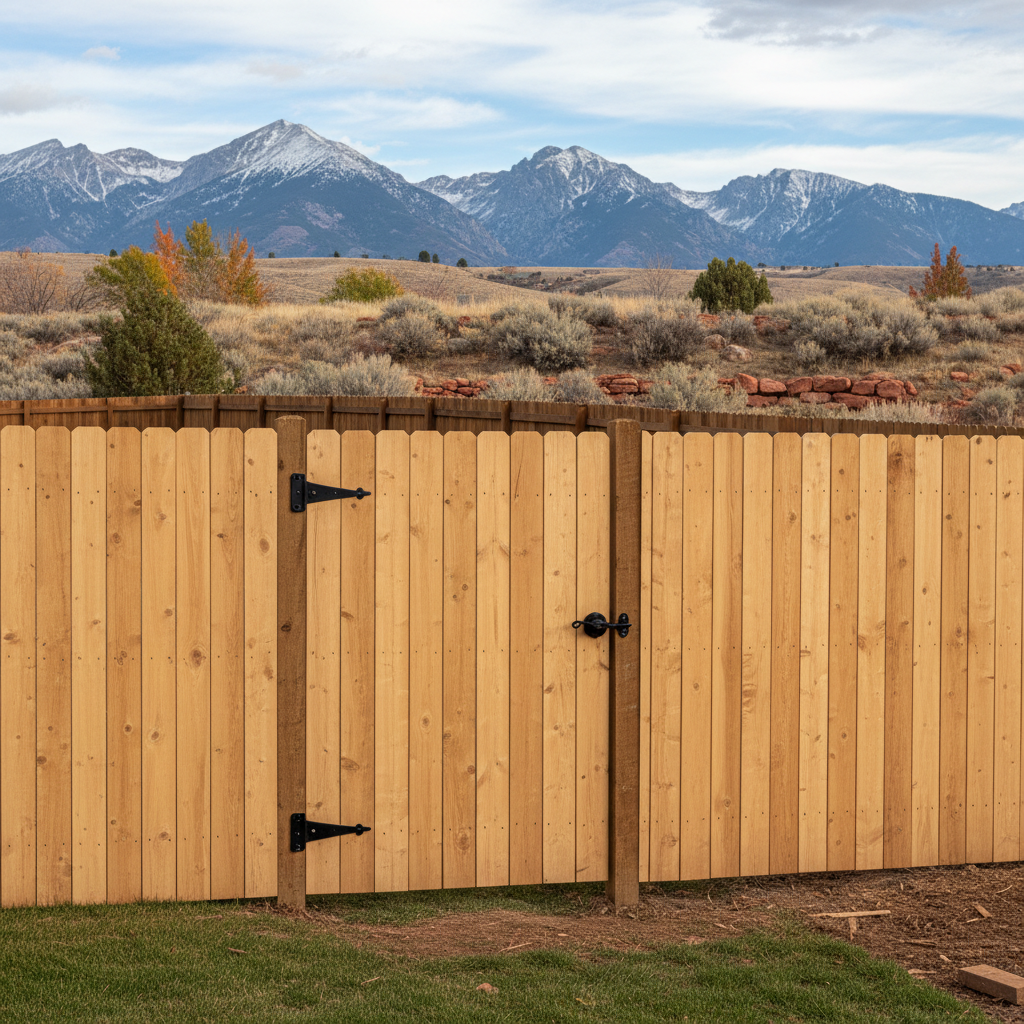
When's the best time to put in a new gate? That's a question I hear a lot, and for good reason. Here in Ogden, our weather really has a personality, and it definitely affects how smoothly your gate installation goes and how long that gate actually lasts.
Getting Your Gate Installation Timing Just Right
You might think any time works, but trust me, some seasons are just plain better than others for getting a gate installed. I'm talking about the actual digging, setting those posts, and making sure everything's perfectly plumb and level.
Spring and fall? Those are usually your best bets. Why, you ask? Well, the ground isn't frozen solid like it is in January, and it's not baked hard and dry like it can get in August. When the soil's workable, we can dig post holes cleanly and efficiently. This means we can get the posts set properly with concrete that cures evenly, giving you a much stronger foundation for your gate. Plus, the temperatures are generally mild, which is better for the materials we're working with, whether it's wood, vinyl, or metal.
Summer can work, sure, but you've really got to watch out for those super hot stretches. Concrete can cure too fast if it's scorching, which isn't ideal at all. And let's be honest, nobody wants to be digging post holes in 95-degree heat if they don't have to. Winter? Forget about it for most new installations. Unless it's an absolute emergency, trying to dig through frozen ground is a total nightmare. It slows everything down, costs more in labor, and it's just plain harder to get a precise, quality install. What a headache!
Weather Conditions That Really Matter
Beyond the season, specific weather conditions can totally throw a wrench in the works. Rain, for example, especially heavy downpours, can turn a worksite into a muddy mess. It makes digging difficult, and it's not great for setting concrete. We usually have to reschedule if it's really coming down.
Wind is another big one. If we're installing a large gate, especially a privacy gate with a lot of surface area, strong winds can make it dangerous to handle the panels. It's not just about us; it's about making sure the gate doesn't get damaged before it's even properly installed. High winds can also affect the curing of concrete, especially if it's drying out too quickly.
And then there's snow. A light dusting isn't usually a problem, but if we get one of those big Ogden snowfalls, especially in the foothills near Malan's Peak, we're probably not going to be out there. It's just not practical or safe to try and dig through a foot of snow and frozen ground for a new gate, is it?
Protecting Your Investment All Year Long
Once your gate is installed, you'll want to keep it in top shape. Our local climate can be tough on fences and gates, with those hot summers, cold winters, and the occasional heavy snow load.
- Regular Cleaning: Dirt and grime can build up, especially on the moving parts. A simple wash-down a couple of times a year can prevent buildup that might affect how the gate operates.
- Lubrication: Hinges and latches need regular lubrication. I always tell folks to use a silicone-based spray or a good quality grease. It keeps things moving smoothly and prevents rust, which is a real problem with our humidity swings.
- Check for Damage: After a big storm or a particularly harsh winter, take a walk around your gate. Look for loose screws, bent hinges, or any signs of wear and tear. Catching small issues early can save you a big headache and expense down the road.
- Inspect Posts: Especially if you have a wooden gate, check the posts where they meet the ground. Our freeze-thaw cycles can sometimes cause posts to shift or rot if they weren't installed correctly or aren't properly protected.
- Keep it Clear: Make sure vegetation isn't growing into your gate or interfering with its swing. Trimming back bushes and vines keeps the gate free to operate and prevents moisture from getting trapped against the materials.
A well-installed gate, put in at the right time, with a little bit of ongoing care, will serve you for years. That's what we aim for at Ogden Fencing Company – quality work that stands up to whatever Utah weather throws at it. If you're thinking about a new gate, give us a call. We can talk through the best plan for your property and the current season.