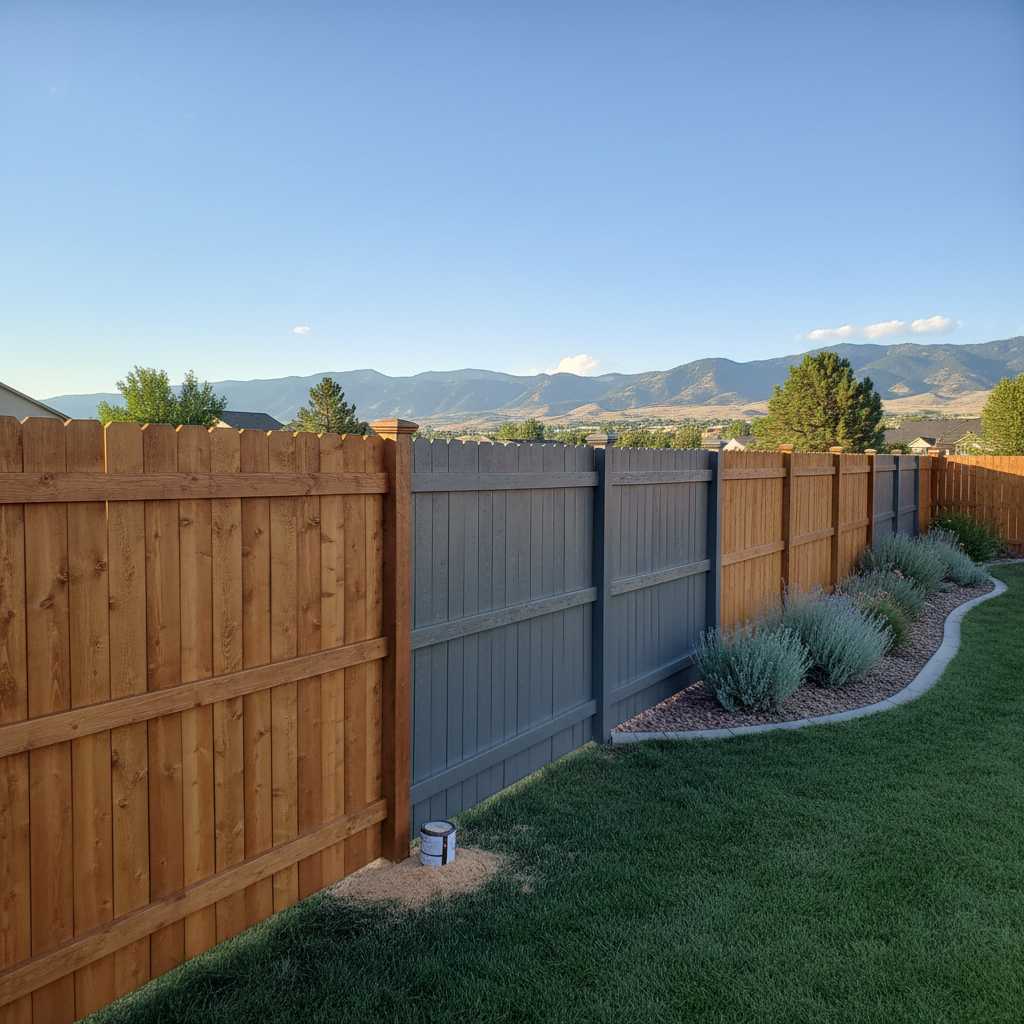
You're staring at your fence, maybe it's looking a little tired, and you think, 'Time for a fresh coat of stain or paint.' That's a smart move; it really protects your investment and gives your home a nice boost. But I've seen folks around Ogden make some pretty common slip-ups when they take on this project, whether they're doing it themselves or hiring someone. Let's chat about what to watch out for so you don't end up kicking yourself later.
Mistake #1: Skipping the Prep Work
This is probably the biggest one, honestly. It's where most DIYers and even some less-than-great pros try to cut corners. You simply can't just glob new stain or paint over old, peeling stuff or a dirty surface. It just won't stick, and it'll look awful in a few months. I'm talking about real cleaning, scraping, and sanding.
- Not cleaning properly: Your fence collects dirt, mildew, algae, and all sorts of crud. Especially with our Ogden winters and then the wet springs, that stuff really builds up. You need to power wash it, and sometimes even use a good fence cleaner to kill off any mold or mildew. Let it dry completely – and I mean completely – before you even think about putting anything on it.
- Ignoring loose or peeling finishes: If your old stain or paint is flaking off, you've got to get rid of it. Scrape it down, sand it smooth. If you don't, the new coat will just peel right off along with the old stuff. It's a pain, I know, but it's totally necessary for a finish that lasts.
- Not repairing damage: Got loose boards, rusty nails, or rotten posts? Fix 'em first! Staining or painting over structural problems is like putting lipstick on a pig. It doesn't solve the real issue and just wastes your time and materials.
Mistake #2: Choosing the Wrong Product for Our Climate
Ogden weather isn't always kind to fences, is it? We get those hot, dry summers and then cold, snowy winters with plenty of freeze-thaw cycles. Not every stain or paint is built to handle that kind of beating.
- Using interior products: Sounds obvious, right? But I've seen it happen. Make sure whatever you pick is specifically made for exterior use and can stand up to UV rays and moisture.
- Picking the wrong stain type: You've got transparent, semi-transparent, semi-solid, and solid stains. Transparent and semi-transparent stains let the wood grain peek through, but they offer less UV protection and might need reapplication sooner. Solid stains and paints give you maximum protection and color, but they hide the wood grain. Think about the look you're after and how much maintenance you're willing to do. For wood fences, I usually suggest a good quality oil-based or acrylic-latex exterior stain; it really soaks into the wood and offers solid UV protection.
- Going cheap: You get what you pay for, plain and simple. A cheap stain or paint might save you a few bucks upfront, but it'll fade, peel, and fail much faster, meaning you'll be doing the job again in a couple of years. Spend a little extra on a quality product from a brand you trust; it's worth it in the long run.
Mistake #3: Hiring the Cheapest Bid Without Asking Questions
This is a classic blunder. Someone gives you a super low price, and you jump on it. Then you find out why it was so cheap. Oh, the stories I could tell.
- No proper contract: A good contractor will give you a detailed quote and contract. It should spell out the work, materials, timeline, and how you'll pay. If it's just a handshake and a number, that's a big red flag.
- Lack of insurance: If they don't have liability insurance and workers' comp, you could be on the hook if someone gets hurt on your property or if they damage something. Always, always ask for proof of insurance.
- No references or portfolio: A reputable company, like Ogden Fencing Company, will have examples of their work and plenty of happy customers. If they can't show you either, be wary.
- Not discussing prep work: If their bid doesn't explicitly include cleaning, scraping, and sanding, they're probably planning to skip it. And we just talked about why that's a terrible idea, didn't we? Make sure they detail their prep process.
- No warranty: What happens if the stain starts peeling in six months? A good contractor will stand behind their work with some kind of warranty.
Mistake #4: Ignoring the Weather Forecast
You simply can't stain or paint a fence when it's too hot, too cold, too windy, or raining. It messes with the drying time, how well it sticks, and the overall finish.
- Humidity and rain: Moisture is the enemy here. Don't apply stain or paint if rain is expected within 24-48 hours, or if the humidity is super high. It needs time to cure properly.
- Temperature extremes: Most products have a temperature range for application, usually between 50-90°F (10-32°C). Applying outside this range can lead to poor adhesion, uneven drying, and a splotchy finish.
- Wind: Wind can blow dust and debris onto your wet fence, and it can also make the product dry too quickly, leading to lap marks or an uneven finish. Plus, overspray is a real problem for your neighbor's car or house – a nightmare!
Look, staining or painting your fence is a solid investment in your home. Just make sure you're doing it right, whether you're tackling it yourself or bringing in the pros. A little bit of planning and asking the right questions can save you a lot of headache and money down the road.