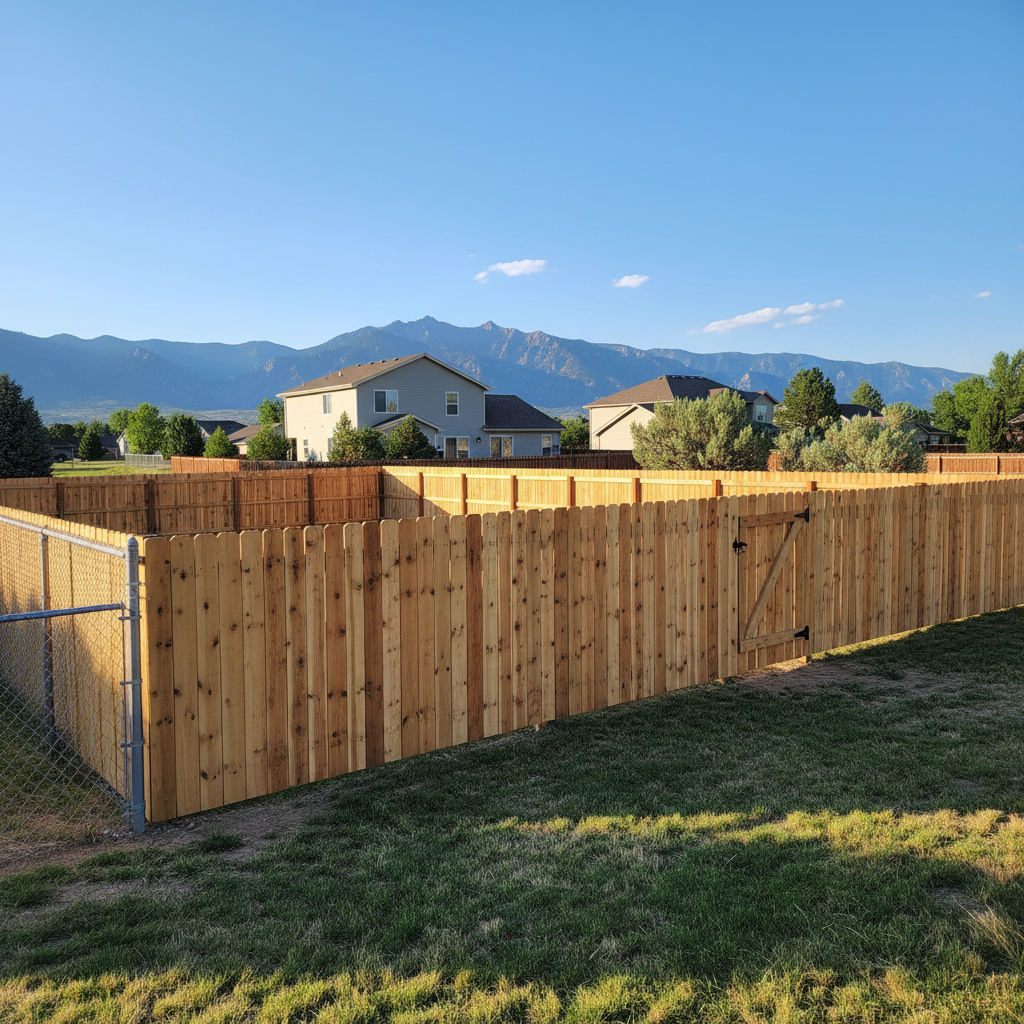
Your fence is looking a little rough, huh? Maybe a panel blew out in a winter storm, or those old wooden posts finally rotted through after years of Ogden's wet springs and dry summers. Whatever the reason, you're staring down a repair job, and you're probably wondering what all goes into it. I've been doing this a long time, and I can tell you, a little planning goes a long way. It saves you headaches, money, and gets your yard back in shape faster.
Setting the Timeline for Your Fence Repair
So, how long does this whole thing actually take? It's not usually an overnight fix, but it's also not a months-long saga. Here's a rough breakdown:
- Initial Contact & Estimate (1-3 days): You call a few local companies. We'll usually schedule a time to come out and look at the damage. I'll measure, assess what needs fixing, and give you a quote. Good companies will get this back to you pretty quick.
- Decision & Scheduling (3-7 days): You compare quotes, ask questions, and pick your contractor. Once you've decided, we'll get you on the schedule. This can vary a lot depending on how busy the contractor is, you know? Spring and fall are usually peak times for us.
- Material Procurement (1-2 weeks): Unless it's a super common repair, we might need to order specific materials – matching wood, certain vinyl panels, or specialty hardware. Supply chains can be tricky sometimes, so this isn't always instant.
- The Repair Itself (1-3 days): For most residential fence repairs, the actual work is done in a day or two. If it's extensive, like replacing a whole section of fence, it might stretch to three. We're not building the Great Wall here, just fixing your fence.
All in all, from your first call to the finished repair, you're probably looking at two to four weeks. It's not a rush job if you want it done right, but it's not a lifetime commitment either.
What to Expect During the Repair Process
When Ogden Fencing Company or another reputable contractor shows up, here's what you'll usually see happen:
- Arrival & Setup: We'll show up on time, introduce ourselves, and get our tools ready. We'll confirm what we're doing and where.
- Demolition (if needed): If old, damaged sections need to come out, we'll carefully remove them. This can be a bit noisy and dusty, but we try to keep it contained.
- Post Setting: If posts are rotted or broken, we'll dig out the old ones and set new ones. This involves concrete, so there's a curing time. We can often work around this, but sometimes it means a return trip.
- Panel/Picket Replacement: We'll install new panels, pickets, rails, or whatever else is needed to match your existing fence as closely as possible.
- Cleanup: This is a big one for me. We don't leave a mess. All old materials, debris, and packaging will be hauled away. Your yard should look as good as, if not better than, when we started, minus the broken fence.
We'll keep you updated throughout the day. If we hit an unexpected snag, like finding an unmarked utility line (it happens, especially in older neighborhoods like the East Bench), we'll let you know immediately.
How to Prepare Your Property for Fence Repair
You can help us out a ton and make the whole process smoother by doing a few things before we arrive:
- Clear the Area: Move anything away from the fence line where we'll be working. This means patio furniture, grills, planters, toys, dog houses—anything that's within a few feet of the fence.
- Trim Vegetation: If you've got bushes, vines, or tree branches growing right up against or through the fence, trim them back. We can't work through a jungle, and we certainly don't want to accidentally damage your prize-winning roses.
- Secure Pets: Make sure your dogs, cats, or other critters are safely indoors or in a secure, separate part of the yard. We'll be coming and going, and we don't want anyone getting out or getting hurt.
- Discuss Access: If we need access to your neighbor's yard for the repair, make sure you've talked to them and gotten their permission. It's always best if you handle that conversation.
- Mark Sprinklers/Lines: If you know where any underground sprinkler lines, low-voltage lighting wires, or invisible fence lines are near the repair area, mark them with flags or spray paint. This helps us avoid costly mistakes.
A little prep work on your end means less time for us on site, and a quicker, smoother repair for you.
Questions to Ask Before Signing a Contract
Don't just sign on the dotted line without understanding what you're getting. Here are some critical questions you should ask any contractor you're considering:
- What's included in the price? Get a detailed breakdown. Does it include material, labor, debris removal, and any permits (though most minor repairs don't need one)?
- What kind of materials will you use? Are they matching my existing fence? What's the quality? For wood, is it treated? What kind of fasteners?
- What's your warranty on labor and materials? A good contractor stands behind their work. Know what's covered and for how long.
- Are you licensed and insured? This is non-negotiable. You want to make sure they're legitimate and that you're protected if something goes wrong. Ask for proof.
- How long will the repair take once you start? Get a clear expectation for the actual work time.
- What's your payment schedule? Do you need a deposit? When is the final payment due? Avoid paying the full amount upfront.
- What's your plan for cleanup? Reiterate that you expect a clean site when they leave.
- Can you provide references? Any reputable company, like Ogden Fencing Company, will be happy to give you names of past clients.
Asking these questions protects you and ensures you're hiring a professional who knows what they're doing. A fence repair might seem small, but it's an investment in your home's security and curb appeal. Do your homework, and you'll be glad you did.