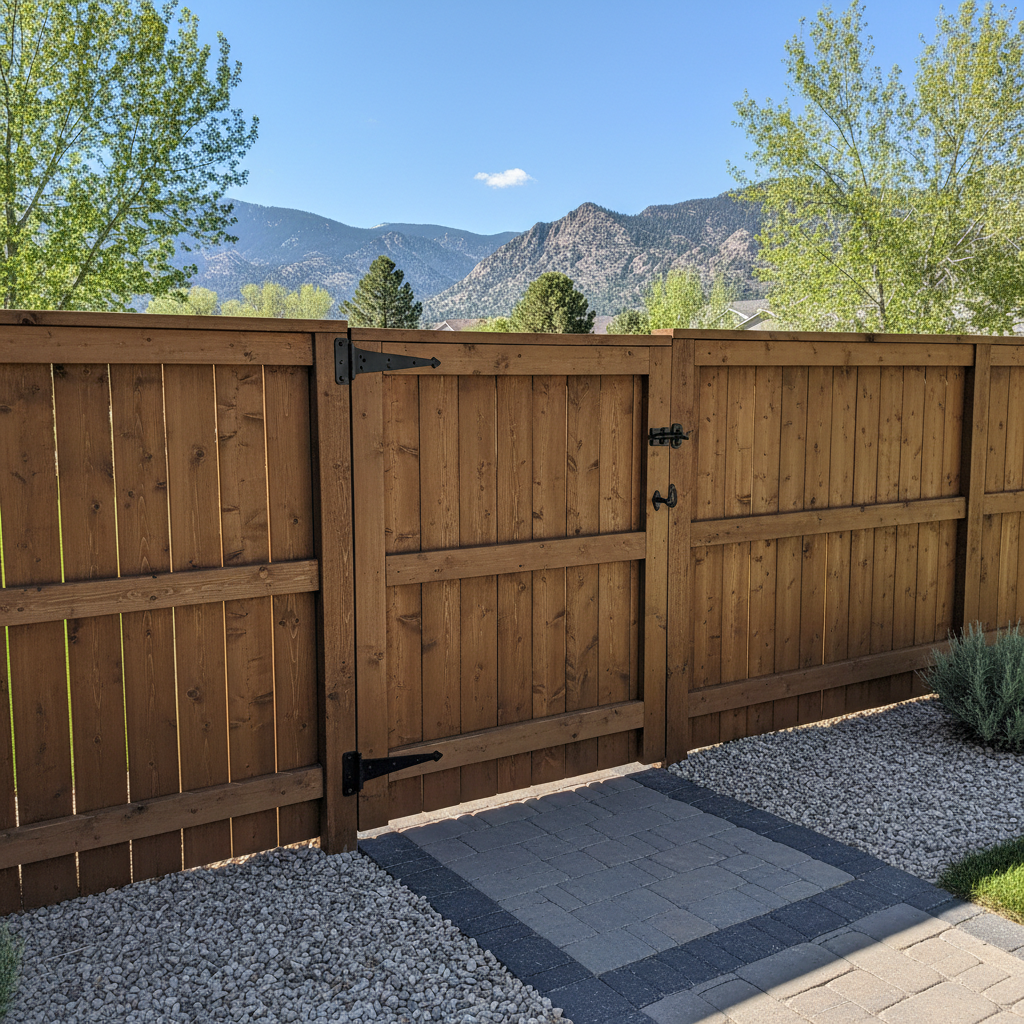
You want your gate to last, right? Whether it’s a grand entrance to your property or just a simple side gate, it takes a beating. Here in Ogden, we get the full spectrum of weather – baking summers, heavy snows, and those freeze-thaw cycles that really test materials. Ignoring your gate is a sure way to shorten its lifespan and end up with a bigger headache down the road. I’ve seen it countless times.
Extending Your Gate's Life from Day One
The best maintenance starts with a good installation, that’s just a fact. But even after it’s up, there are things you can do to make sure it stands the test of time. First off, keep an eye on the ground around the gate posts. Erosion, especially with our clay soils around areas like the East Bench, can expose the concrete footings or even loosen the posts over time. If you see water pooling or soil washing away, address it. A little landscaping or a French drain can make a huge difference.
For wood gates, a good quality stain or sealant isn't just for looks; it’s a shield against UV rays and moisture. Reapply it every couple of years, or as the manufacturer recommends. Metal gates, especially wrought iron, need their paint or powder coating intact to prevent rust. If you see chips or scratches, touch them up. Don’t let bare metal sit exposed for long, especially with the snow and road salt we get in winter.
Regular Check-Ups: What to Look For
Think of it like checking the oil in your car. A few minutes of your time can save you a lot of grief. I tell all my clients from Ogden Fencing Company to do these checks at least twice a year, maybe more if your gate sees heavy use:
- Hardware Inspection: Go over every hinge, latch, and bolt. Are they tight? Are any screws backing out? Tighten anything that’s loose. For hinges and latches, a little lubrication goes a long way. Use a silicone spray or a dry lubricant, especially on moving parts. Don’t use WD-40; it attracts dirt and actually washes away existing lubrication over time.
- Cleanliness: Dirt, dust, spiderwebs, and even plant growth can gunk up moving parts. Keep the area around the gate clear. If you have an automatic gate, make sure the sensors aren't blocked by leaves or snow.
- Gate Swing: Open and close the gate manually. Does it swing freely? Is there any dragging on the ground? Sometimes the ground settles or shifts, or the gate itself might sag. If it's dragging, it puts extra stress on the hinges and posts.
- Material Check: For wood gates, look for rot, cracks, or warping. For metal gates, check for rust spots, bent components, or failing welds. Vinyl gates are pretty low maintenance, but check for cracks or discoloration from sun exposure.
Warning Signs You Shouldn't Ignore
Your gate will usually tell you when something’s wrong, you just have to listen. Here are some red flags:
- Squeaking or Grinding: This is the most common one. It usually means dry hinges or a misalignment. Lubricate first, but if it persists, something might be bent or worn.
- Sagging or Drooping: If your gate isn't level anymore, or if it scrapes the ground, that’s a big problem. It could be loose hinges, a failing post, or even a structural issue with the gate itself.
- Difficulty Latching: If you have to lift or push the gate to get it to latch, it’s out of alignment. This puts stress on the latch mechanism and the frame.
- Visible Damage: Obvious cracks, rust, bent pickets, or broken welds are not just cosmetic. They compromise the gate's integrity and security.
- Automatic Gate Malfunctions: If your automatic gate is slow, stops mid-cycle, or doesn't respond consistently to the remote, don't ignore it. It could be anything from a dying battery to a sensor issue or a problem with the motor itself.
When to Call a Professional
Look, I’m all for DIY, but there are times when you need a pro. If you’ve done the basic maintenance and the problem persists, or if you see any of these more serious issues, it’s time to call someone like us:
- Failing Gate Post: If a post is wobbly, leaning significantly, or the concrete footing is cracked and crumbling, that’s a structural repair. You don’t want your entire gate coming down.
- Major Alignment Issues: If the gate is seriously out of square and you can’t fix it with simple hinge adjustments, it might need re-hanging or even structural repair.
- Broken Welds or Serious Metal Fatigue: These aren't easy fixes for the average homeowner. Welding requires specialized equipment and skill.
- Automatic Gate Motor or Electrical Problems: Messing with electrical components can be dangerous, and gate motors are complex. Leave this to the experts.
- Safety Concerns: If your gate is a hazard to kids or pets, or if it’s no longer providing the security you need, don’t wait.
Taking care of your gate isn’t rocket science, but it does take a little attention. A well-maintained gate not only looks better, but it’ll also last longer and keep your property secure. Give it a little love, and it’ll serve you well for years.